Google Ads vs Meta Ads: Which Is Better for Australian Businesses?
It’s 11pm at night, and the water heater has just broken down. The homeowner isn’t swiping through Instagram searching for a plumber; he is grabbing his smartphone and typing “emergency plumber near me.” Then think about an entirely different scenario: Someone is casually surfing Facebook from the couch when a handmade leather purse catches his eye. He wasn’t searching for a purse; he wanted one.
That’s the entire difference between Google Ads and Meta Ads summed up in a single example. Google ads answer questions that someone has already asked. Meta ads create a need that someone did not have a few seconds ago. For Australian entrepreneurs who are trying to decide which of these platforms deserves their advertising budget, grasping this difference is more important than any comparative chart of features. Also with the rise in digital marketing across the world, these advertising platforms; Google and Meta Ads have also significantly become very popular amongst the marketers .
If you’re wondering whether Google Ads or Meta Ads is the better choice for your Australian business, the answer depends on your industry, target audience, budget, and objectives. This guide breaks down how each platform works, what they cost in the Australian market, which businesses win on each, and how to decide where to start.
Google Ads vs Meta Ads: Understanding How They Work
Before moving on to compare Google Ads and Meta Ads, one needs to have an understanding of what the two platforms stand for and what role they play in the world of digital marketing. Although the two platforms are strong paid advertising tools that can be used to help businesses target their desired customers, they are different in terms of how they attract customers and work towards achieving the marketing goals. The main difference between the two is that while Google Ads targets users who are actively looking for a product or service, Meta Ads targets individuals who can be interested in a product or service via the use of visually interesting ads. Due to these differences, there are distinct strengths that can be attributed to the two platforms depending on the goal of the business, target audience, and budget. Therefore, it is very crucial to understand the difference between Google Ads vs Meta Ads: Which is better?

Google Ads refers to Google’s PPC program which enables businesses to advertise by putting ads through Google Search, YouTube, Google Maps, Gmail, Google Shopping and the entire Google Display Network. Businesses place bids on certain keywords which are associated with their products and services, and when users look for these keywords in search results, advertisements pop up in the organic results.
Intent is one of the major strengths of Google Ads. People using Google to search have a need which they wish to solve or some product that they wish to purchase. Google Ads appear at a time when the person has already understood his needs and is searching for solutions. He may be typing such queries as “accountant near me,” “best CRM software,” “photographer Melbourne wedding” in the search bar. Your ads have to make sure that they win over the existing options and not create new ones.
This is the main reason why Google produces faster and higher intent conversions. You’re not creating desire from nothing — you’re catching people at the exact moment they’re ready to act.

Meta Ads are ads that show up on Facebook, Instagram, Messenger, and Meta Audience Network. This type of advertising does not work through keywords but through interest, actions, and visuals because when someone is just scrolling on his/her feed, this person is not interested in buying anything but the ads interrupt and make users concerned about something. Meta advertising is all about discovery – it introduces consumers to some products, services, or brands that they might have never heard of before.
Unlike Google Ads, Meta Ads are used to create demand and not to just get it. Usually, consumers use social media not to look for any products but to connect with friends and look for some interesting content. So it is an excellent way to promote a certain brand before the users will realize that they are in need of it.
Also, Meta Advertising is perfect for visual storytelling. Here you can use photos, videos, carousels, Stories, and Reels to gain the trust of users, educate them, showcase your product, and engage them. This makes Meta especially powerful for visual, lifestyle-driven, or impulse-friendly products — things that sell through imagery rather than search terms.
The Difference Between Google Ads and Meta Ads
Even though both advertising platforms can help your business gain visibility online, the way of reaching out to customers is completely different. Firstly, the target audience of Google Ads is those who are looking for certain products or services. The ads are displayed as search suggestions for particular keywords, so this type of ads helps companies attract more customers willing to purchase their goods right now. Meta Ads, in its turn, target people who do not plan to buy anything at all. In order to promote their products and services, companies should find out users’ interests and then try to persuade them to purchase something.
Secondly, the type of content differs as well. Google Ads include mainly text ads, but besides, you can also use Shopping ads, Display ads, and YouTube videos. Meta Ads include mainly visuals, like videos, images, stories, reels, and photos. The customer journey also varies. Google Ads usually reach the customers when they are at the bottom of the marketing funnel because they are ready to make a purchase. Meta Ads, in turn, are more suitable when customers are aware of your brand and just consider buying some goods.
For Australian businesses, understanding these differences between Google Ads vs Meta Ads is essential because choosing the right platform depends on business goals rather than simply selecting the most popular advertising option.
Google Ads vs Meta Ads: A Detailed Comparison
FEATURE | GOOGLE ADS | META ADS |
Target Audience | People actively searching for products or services | People based on interests, behaviour, and demographics |
User Intent | High purchase intent | Builds awareness and interest |
Typical Starting Budget | $1,000–$5,000/month | $500–$2,000/month |
Best For | Lead generation and direct sales | Brand awareness and engagement |
Targeting Method | Keywords and search intent | Interests, demographics, behaviours |
Ad Placement | Google Search, YouTube, Display Network, Maps, Gmail | Facebook, Instagram, Messenger, Audience Network |
Ad Formats | Search, Display, Shopping, Video | Image, Video, Carousel, Stories, Reels |
Cost | Usually higher CPC but stronger conversions | Generally lower CPC for awareness campaigns |
Visual Content | Moderate | Highly visual and interactive |
Best For Australian Businesses | Service-based businesses, local businesses, B2B | Ecommerce, retail, hospitality, lifestyle brands |
ROI | Better for immediate conversions | Better for long-term brand growth and engagement |
Benefits of Google Ads For Australian Businesses
1- Reach Customers with High Purchase Intent-
Google AdWords helps companies target people who are actively searching for particular goods or services on Google. Because these individuals already have the desire or intention to purchase a particular product or service, they become more potential customers. High purchase intention results in increased conversion rates and high ROI.

2- Instant Online Visibility-
While SEO requires several months to see improvements in rankings, Google Ads will help the business rank at the top in just a few days. This tool is very effective when used to promote new product lines, services, or run time-dependent campaigns. Also, instant ranking makes the business competitive to its competitors.
3- Increase Local Leads-
Google Adwords is very convenient for companies based in Australia to draw in customers from particular cities or suburbs. With local targeting, your ads can be easily seen by people searching for your products close to you. This strategy works well for companies that depend on locals as their target market.
4- Flexible Budget Control-
Google Ads allows you to have full control of your advertising budget. You can cap the amount you spend each day, adjust your bids, pause your campaigns, or even expand your budget depending on how well you perform.
5- Higher Conversion Potential-
With the help of Google Ads, since you will be reaching out to people who have been searching for answers to their questions, you will receive higher conversions compared to other advertising sites. This is because they are interested in what your business has to offer. Therefore, you will get good leads from your advertisement.

6- Multiple Advertising Formats-
The Google Ad system has several campaign types such as Search Ads, Display Ads, Shopping Ads, YouTube Ads, and Performance Max campaigns. This will enable organizations to select the best type that is suited to their marketing goals. The use of many ad types will also ensure more brand awareness on various Google sites.
Benefits of Meta Ads For Australian Businesses
1- Advanced Audience Targeting-
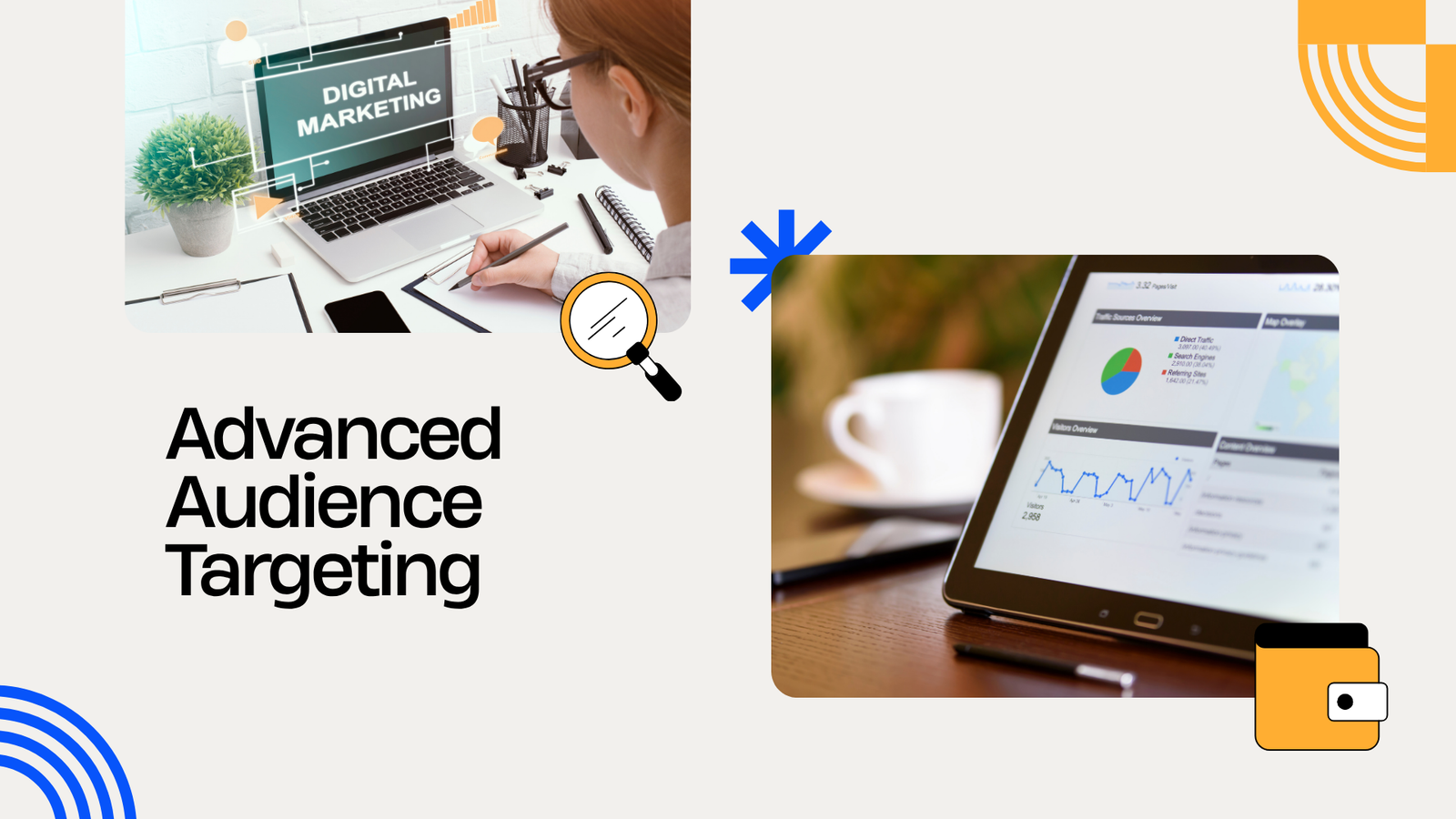
Meta Ads enable businesses to target very precise audiences in relation to demographic factors, interests, behaviors, location, and internet usage. This degree of targeting enables Australian businesses to target those consumers who will be more receptive to their brand. This leads to increased efficiency in campaign performance and better usage of the advertising budget.
2- Highly Engaging Ad Formats-
Meta provides various ad formats that are highly creative, which include image ads, video ads, carousel ads, Stories, Reels, and collection ads. This is possible since such ad formats will enable businesses to market their products and services in an interactive manner. The content that is provided will engage users to react to it.
3- Cost-Effective Advertising-
Meta Ads are ideal for companies of various budget levels, thus being a cost-effective way of advertising for both startups and existing organizations. Companies have the opportunity to set their budget limits for both daily and lifetime and also modify their campaign at any time.

4- Generate High-Quality Leads-
Meta provides various ad formats that are highly creative, which include image ads, video ads, carousel ads, Stories, Reels, and collection ads. This is possible since such ad formats will enable businesses to market their products and services in an interactive manner. The content that is provided will engage users to react to it.
5- Effective Remarketing-
Meta Ads help organizations reach out to people who had already seen their website, social media posts, or even added products into their carts in the past. Remarketing can help you make sure that your organization is always on their minds and will make them come back and complete their purchases.

6- Detailed Campaign Insights-
Meta Ads Manager offers a detailed report about the number of impressions, clicks, engagement, conversions, demographic breakdown, and costs of advertising. This information is beneficial in helping companies know how the business is performing and areas that require improvement. Continuous analysis will result in improved campaign performance.
Which Platform Is Better for Small Businesses in Australia?
When deciding on Google Ads vs Meta Ads, a small business needs to consider its objectives, its target market, and its budget. Each platform offers something unique, but the choice is influenced by what the small business hopes to achieve.
Firstly, if the service or product provided by the business is something people will search for, Google Ads can be considered over Meta Ads. Google targets users who are currently searching for products or services offered by a company; this means that small businesses can get the benefit of attracting high-intent customers who are interested in making an inquiry and even buying the product or service. In short, Google Ads is an efficient choice because it attracts fast results.
However, if the company sells something which can be effectively advertised through visual content and pictures, Meta Ads can be considered. Small businesses including fashion stores, coffee shops, restaurants, gyms, beauty salons, and e-commerce businesses can take advantage of the opportunity to show products and images on Facebook and Instagram. Meta Ads also allow very detailed targeting, meaning that one can find potential customers depending on their interests and actions online.
The budget of a small business is also a significant factor. Although Google Ads cost more per click in competitive industries, they tend to have a better conversion rate since users have the intention to buy. Meta Ads cost less per click to reach a wider audience and are therefore recommended for companies that want to increase their visibility using limited advertising budgets.
Overall, the best solution depends on the particular company. If a company is oriented towards leads and quick conversions, it will be better to use Google Ads. If a company wants to focus on brand awareness, engagement and customer loyalty, Meta Ads may prove to be a better option. For most small businesses in Australia, an integrated use of both platforms may yield the best results: building brand awareness and nurturing leads using Meta Ads, and converting high-intent users using Google Ads.
Why Many Australian Businesses Use Both Google Ads and Meta Ads
While some businesses choose between Google Ads vs Meta Ads while others, instead of selecting one platform over the other, many Australian companies utilize both Google and Meta Ads in their digital marketing strategies to achieve better results. As each platform plays a different role, by using them together companies can reach out to potential clients throughout the buying process. For instance, while Meta Ads are useful in introducing a company’s brand name and building its reputation, Google Ads attract those consumers who are already in search of something specific.
The customer journey begins with social media, where a user discovers a company due to the ad that he or she sees on Facebook or Instagram. In these ads, there might be products, client stories, and some discounts that will help build up interest in a company’s offer. Even if the client does not buy anything right away, he or she is going to remember the brand name in the future. As customers progress down the funnel, more of them rely on Google to do research and/or compare companies. As soon as they make a search with the necessary keyword, your company is shown through Google Ads. The good thing is that such users are already predisposed to buying something and therefore, the chance of them visiting your website, filling out a form and converting into a client becomes even higher. With such a combination of Meta and Google Ads, you can increase your conversion rate dramatically.
By using both channels for marketing, a business can increase efficiency in retargeting people who did not make a conversion on the first attempt. For instance, if a user clicked on a Google Ad but left the site without making a purchase, he or she can be retargeted through Facebook and Instagram with personalized ads offering them the product or service they previously saw. Also, users, who interacted with a Meta Ad but still did not convert, can be retargeted through Google Display/Search campaigns.
One more significant benefit from using both platforms is better audience coverage. Google Ads target those people who actively search something, while Meta Ads give businesses an opportunity to communicate with the audience that does not know yet that it needs this or that product/service. In this way, businesses get the ability to create demand for themselves and also capture existing demand.
If we talk about Australia and its competitive market, a business should use a combination of these two types of ads instead of choosing between Google Ads vs Meta Ads in order to achieve success since one platform will limit it by offering fewer opportunities for development. With Google Ads and Meta Ads, businesses get the ability to increase their brand presence, get high-quality leads, boost customer engagement, and achieve maximum from advertising expenses.
Google Ads vs Meta Ads: Cost Comparison in Australia
Before hiring a marketing agency to run the paid ads, it is very crucial for any business to know the cost of running these Google Ads vs Meta Ads as it differs from platform to platform. Therefore, cost should be the first question every business owner should ask.
Google Ads Pricing in Australia-
The cost-per-click on CPC advertisements on Google Ads for Australia varies between $2.50 and $8 per click for normal keywords but may go up to $15-$80 for very competitive industries such as law, finance, or insurance. A typical small business should have a monthly budget of at least $1,000 – $5,000 per month.
Meta Ads Pricing in Australia-
The Meta Ads, however, tend to be priced using the CPM (cost per thousand impressions) metric as opposed to the CPC metric; their average price range is $8-$25. The advantage that Meta has over other advertising networks is its ability to work effectively with minimal budgets of about $500 – $2,000 monthly.
How AI Has Changed Both Platforms in 2026
Artificial intelligence has brought about an evolution in how businesses market themselves through Google and Meta ads in 2026. In addition to the manual management of marketing campaigns, artificial intelligence technology is enabling businesses to automate the process of bidding, optimize their targeting, generate multiple versions of ads, and enhance the efficiency of their campaigns as a whole.
Google’s Performance Max and Smart Bidding
Performance Max Campaigns have overtaken individual campaigns for Search, Display, Shopping and YouTube. Along with the AI-powered Smart Bidding Strategy, Google does a lot of manual optimization that previously would have been done by an ad manager. This makes the process convenient for small businesses with no dedicated marketing department.
Meta’s Advantage+ Automation
Meta has also developed Advantage+ campaigns that take care of most things automatically by testing different combinations of creatives, audiences, and placements, etc., to discover the optimal mix for success. For small business owners, this is one more equalizer since you don’t need years of advertising management experience to execute a good campaign anymore.
Should You Run Both at Once?
And here is the truthful answer you will rarely get from any agency: for the vast majority of small businesses in Australia, there is no need to use both platforms at once, at least not initially and therefore you should be very mindful of choosing Google Ads vs Meta Ads.
Once you reach monthly budgets of $3,000 or more, the approach where you combine the efforts of two platforms usually works better than using one platform separately: Meta is responsible for building awareness and demand, while Google grabs the demand when users start actively searching.
Before spending any money on either one, you need to have your Google Business Profile completely configured and optimized. It’s free, and it will help every paying click – from either platform – go further after reaching it.
Common Mistakes to Avoid When Running Paid Ads
Choosing Google Ads vs Meta Ads can be difficult as both have the potential to provide great results for running paid advertising campaigns; however, there are numerous cases where companies do not accomplish their objectives due to certain errors. It is not sufficient to start a paid campaign; in order to ensure success, companies need to use a correct strategy and monitor and optimize it regularly. Here are some mistakes that you should avoid.
1-Targeting the Wrong Audience-
One of the most common errors that businesses make is serving ads to people who have no interest in the products or services offered by the business. This could happen if businesses fail to target appropriately. Businesses should take care when determining the target audience of the business. The criteria that businesses can use include geography, demographics, interests, and intent.
2- Using Low-Quality Ad Creatives-
The quality of your ad has an important part to play when it comes to its performance, whether it is a Google Search Ad or Meta videos. Bad headlines, low-quality images, confusing messages, or no strong call to action at all can decrease engagement or conversion rate. It is better to create attractive and informational ads.
3- Sending Traffic to Poor Landing Pages-
While most companies are concentrating on how to make great ads, very few pay attention to the value of having good landing pages. However, poor performance, navigability, or irrelevance of the landing page will definitely result in the customer leaving the website without accomplishing the desired purpose of conversion.
4- Not Tracking Campaign Performance-
The lack of tracking means that it is impossible to know if the investment in advertising is yielding returns. Not keeping track of important metrics like clicks, conversions, CPC, and ROAS can make it challenging to figure out what is working. Analytics and conversion tracking can help optimize the campaign.
5- Setting Unrealistic Budgets-
Most companies either under-spend to produce any meaningful impact or have unrealistic expectations about quick results with a small budget. A paid ad campaign needs proper spending and enough time to test and improve on their performance. This is why setting realistic budgets enables better decisions to be made.
6- Not Testing Different Ad Variations-
Launching a single campaign restricts your chances of optimizing your results. You can try out various types of headline, description, image, video and call-to-action options in order to find the most effective combination of these elements for your particular audience.
7- Relying Only on Automation-
While the use of AI technology in Google Ads and Meta Ads may increase efficiency, using them without checking on how well the campaigns are performing could result in missing out on many opportunities. Companies need to evaluate their performance, target, message, and budget and fine-tune everything for optimal performance.
Final Verdict: Google Ads or Meta Ads?
The question of which ads to use is determined by business needs and aims in terms of marketing, as both Google Ads vs Meta Ads are very good but serve for different things and provide desired results at various stages of the client’s interaction with the brand. Instead of determining which one is better, businesses should pay attention to which one suits better.
If a company is looking for leads generation, bookings, calls, or purchases that require immediate response from customers, then Google Ads will be a better choice. Google Ads is used to target those people who are interested in a particular product or service right now, which allows attracting clients at the moment they are ready to take action.
In contrast, if you want to raise brand awareness, get engaged with people, or advertise visually appealing products, Meta Ads will be a perfect choice for your business and will help you achieve great results. By using efficient targeting options and different types of ads on Facebook and Instagram, companies will be able to reach their prospects and become memorable to them all along the way.
The most effective solution for the majority of Australian businesses is to use both advertising platforms simultaneously. In this case, Meta Ads will help you make people interested in your products and services, and at the same time, Google Ads will capitalize on their interest when they search for your offers online.
As the technology of AI evolves to become better for both Google Ads and Meta Ads in 2026, companies have more chances to optimize their campaigns, target the right people, and get higher returns on their investments. By taking advantage of the benefits of both platforms and applying them effectively, Australian businesses will be able to make better decisions regarding their advertising and grow sustainably in the long run.
Frequently Asked Questions (FAQs)
Q.1- Which is cheaper, Google Ads vs Meta Ads?
Meta usually has a lower cost per impression, so it’s cheaper for reach. Google often has a lower cost per conversion for high-intent searches, so it can be cheaper when you’re measuring actual sales or leads.
Q.2 - Can I run Meta Ads and Google Ads at the same time?
Yes — for businesses with adequate budget, running both in complementary roles (Meta for discovery, Google for capturing intent) tends to outperform relying on either platform alone.
Q.3- Which platform is better for a small business with a limited budget?
It depends on the industry. Local service businesses with urgent, searchable needs usually see faster returns from Google. Product or lifestyle brands often do better starting with Meta.
Q.4- How much should I budget to start with Google Ads in Australia?
Most small businesses need roughly $1,000–$5,000 a month to compete meaningfully on their target keywords, though this varies heavily by industry competitiveness.
Q.5- How much should I budget to start with Meta Ads in Australia?
Meta can be tested effectively from around $500–$2,000 a month, making it a lower-barrier entry point for businesses new to paid ads.
Q.6 Which platform gets faster results?
Google Ads typically converts faster since it targets people already searching with intent. Meta tends to be slower to convert but builds longer-term brand awareness and demand.
Q.7- Is Meta Ads better than Google Ads for e-commerce?
For visually-driven products (fashion, beauty, home goods), Meta often performs well because of its imagery-led format and retargeting tools. But many e-commerce brands eventually add Google Shopping/Search once they have repeat search demand.
Q.8- Do I need marketing experience to run these campaigns myself?
Less than before. Google’s Performance Max and Smart Bidding, and Meta’s Advantage+, now automate a lot of targeting and optimisation, making both platforms more accessible to business owners without a dedicated ads team.
9- Which platform is better for B2B businesses?
Google Ads generally works better for B2B, since business buyers tend to search directly for solutions during a defined research and comparison process.
10- Should a brand-new business start with Google or Meta?
If people are already searching for what you sell, start with Google. If your product is new or needs to be discovered visually, start with Meta — then add the other channel once the first is profitable.