Why Restaurants Stop Posting on Social Media (and What Actually Fixes It)
Open your venue’s Instagram account and check when the last post was made. If it’s been a while since your last update, you are far from alone. Many cafes, bars, and restaurants in Australia have an Instagram feed that got stuck somewhere in between two busy periods.
This guide will tell you about the reasons for which restaurants stop posting on Instagram, why the common piece of advice about being consistent is unlikely to help, and what can be done to solve the problem in practice. It’s usually not what you expect.
Key Takeaways–
- A silent feed is normally a problem of operations rather than of effort or motivation.
- There are three core reasons: lack of a named person responsible; no protected time and no sales-based content plan.
- Guilt-fueled bursts of posts only postpone but don’t prevent future silences.
- Potential diners do research on social networks, and an outdated date of the last post is a sign of “closed” or “unmotivated”.
- The solution that works without fail is planning once and scheduling content in advance.
The pattern most venues recognise: busy, quiet, burst, quiet
It all begins with the best of intentions. The new menu comes out, or there’s a quiet week to allow someone some spare time, and the posts start rolling out for a fortnight about the new dish, the staff, the busy Friday. Then there’s a busy weekend, a scheduling issue and a problem with the supplier, and the posts are dropped down the bottom of the list.
Three weeks later someone remembers, feels bad and posts four items within two days. After that it becomes quiet again. Just scroll through your own feed, and you’ll likely recognize the pattern: posts, silence, posts, longer silence. Eventually the last post is from last season, and no one really knows when the posts stopped coming.
This is not a personal fault either in yourself or in your team. This is a pattern, and patterns have reasons. Once you know what the reason is, you can correct it without depending on people having more energy.
Why Restaurants Stop Posting On Social Media?
Think of the week you’re really running. In 2025, Broadsheet and Square surveyed 69 Australian cafe, bar and restaurant owners, and 60 per cent stated that their business was either struggling or was in desperate trouble. Only 3 per cent said they were thriving. This is a small sample, biased to the major urban centres and heavily skewed to Victoria, but it reflects your experience: when the shift is short and the margins are slim, the person who could be posting is working the floor, the pass or ordering.
Posting is not failing due to lack of interest. Posting fails because it’s the only role where no-one will call you up to fix it. A missing delivery gets sorted out today. A short-staffed shift gets sorted out today. A missing post gets sorted out “when things calm down”, and in hospitality they never do.
Why a burst of effort never sticks
The effort-driven catch-up rush feels productive, but this is dealing with the symptom. Hard work was never the missing link, hence pushing harder just prolongs the period of lack.
Following the effort, the circumstances under which the silence occurred remain unchanged. The same individual is still lying on the floor. There is no slot in the schedule for the content. There is also nothing in the notebook about what is to be shared next. The feed becomes silent in the same way it became silent before, for the same reasons. Every iteration makes the next one more difficult because there is guilt associated with using the application now.
The Three Real Causes Of An Inconsistent Restaurant Social Media Feed
When the stream from a venue becomes dead, one or more of these apply. Most often, all three apply.
1. No owner: social belongs to everyone, so it belongs to no one
The owner believes that the manager has it. The manager expects the bar team to pick up on something. The employee who once did it has left, and nobody officially took responsibility for it. Turnover within hospitality makes it even more likely that this happens; the feed has been kept alive by one dedicated individual, who has since left.
How to identify it: ask three employees what the responsibility for next week’s posts is. Get three different answers or a blank look? Then this is your problem.
What can fix it: one name, included in a job description or a weekly list of tasks, with the authority to demand a plate from the kitchen or ten minutes of an employee’s time on the floor.
2. No protected time: content gets squeezed into gaps that don’t exist
Content must fit into the cracks, but hospitality has no cracks. Capturing a dish correctly takes a clean shot, good lighting, and somebody available to hold the phone. None of this will occur at 7pm on a Friday night. Thus, either it never occurs or it will occur in a hurried fashion that mimics this.
How to detect it: the majority of your posts were made during service times, on whoever had their phone handy, or simply weren’t filmed at all.
How to fix it: carving out time during the week dedicated to content creation, separate from service hours.
3. No plan: posts aren’t connected to what the venue sells
Even if they can find 20 minutes, all they do is sit and stare at a blank screen thinking about what to post. Even without a plan related to the exact needs in filling up whatever it is—whether it be Tuesday’s lunch or the function room or the new set menu—all posts have to start from scratch. And any post that does not relate to a reservation becomes redundant and therefore is immediately thrown out of the window.
Signs of this problem: You cannot recall what five most recent posts were selling or the answer would be ‘nothing in particular’.
Solution: Prioritizing commercial tasks for the next few weeks before even starting to shoot videos or post.
|
Cause |
What It Looks Like |
What Fixes It |
|
No Owner |
Everyone assumes someone else is posting |
One named person with the job written down |
|
No Protected Time |
Content filmed mid-service or not at all |
A fixed content slot kept away from service |
|
No Plan |
Blank-screen posts that don’t sell anything |
A short list of what the venue needs to fill |



What Do Customers Assume When Your Feed Stopped In March?
However, when the patron sees the old ‘last post’, they will be unable to discern whether you are just busy, or shut, or have sold up, or even that you just don’t care, and will most likely move on to the next restaurant.
Toast polled 850 patrons from the US in 2024, and 62 percent reported that they sometimes check the restaurant’s social media page before eating there. This is an American poll, and should only be used as guidance for Australian venues. Regardless, someone is going to do it.
They see only that you have posted for the last time in March. They don’t see the late Saturday nights, your supplier troubles, or the fantastic new chef you hired. All they see is the date. Looking at the restaurant from the outside, a quiet dining experience could mean you’re closed, sold, or no longer care. They can’t ask and don’t have to because there’s always another place just one swipe away.
Your feed is part of your shopfront
For many customers, your Instagram account is one of several factors that go into the decision whether to make a reservation at your restaurant – along with your Google listing, your menu and your customer reviews. The potential customers will even turn to their search engine or digital assistant for a recommendation and only after they get it, they will follow the link and make sure that the place is indeed active.
There is no way to quantify the number of reservations lost this way. It is the table reservation you were not aware you could get.
What does social media consistency actually require?
A consistent social media presence for restaurants involves three operational elements: one named owner, safe production time, and a pre-filming plan. Motivation does not appear on the list because motivation wears out by the second hectic week.
The general advice in this area is to be consistent. This is motivation solving an operations issue. What works is structure and it takes three elements:
- Single Owner. One individual who has been assigned that responsibility.
- Scheduled time for it. Just like you schedule time for your stock take or meetings with suppliers; you should schedule time for the service and keep it safe from anything else.
- Plan ahead of publishing. This is what you are going to publish and what each of those posts is meant to serve.
In most cases, protected time refers to a scheduled block of time in the quite part of the week, either before services or between lunch and dinner, and is taken as seriously as any other supplier.
Do you see what has been left off the list? Better camera, better creative skills, or more followers. In fact, an establishment that owns a phone and an identifiable owner will post better than one with the best camera equipment and no one in charge.
The motivation fix (doesn’t last) | The operations fix (holds up) |
Try harder to post more | Name one person who owns the feed |
Post whenever there’s a spare moment | Block fixed production time away from service |
Think of something to post today | Plan content weeks ahead around what you need to sell |
Catch up with a burst of posts | Build a stockpile and schedule it |
How do venues fix it? Protected production time, planned once
The problem doesn’t lie in the need for more posts. The problem lies in not doing all of your content creation in one sitting. Instead of trying to churn out one post here and there, do one planning and then create all of the content at once.
You will have a bank of content that can be scheduled so that you keep posting while the venue is most active. This is how it’s done.

Step 1– List What You Need To Feel
Think about the business first, not the camera. What do you need more of in the next few weeks? Covers for Tuesday lunches, inquiries about the function rooms, the new set menu, the cocktails for the season, and the brunch which hasn’t gained popularity yet. Choose just three or four items. Otherwise, you’ll end up not giving anything enough focus.
Step 2– Match Each Priority To What Sells It
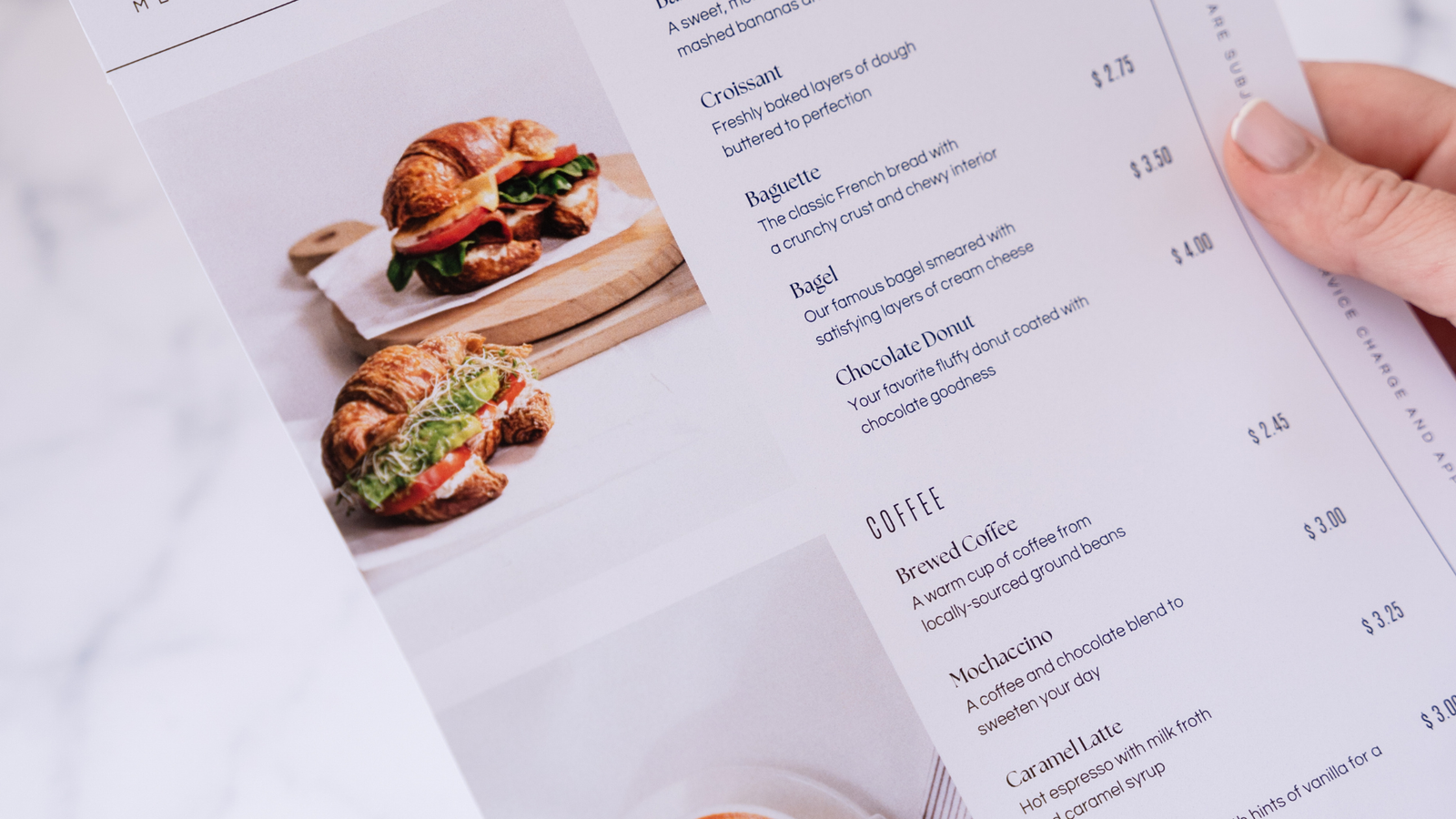
Next to that list put down the foods, beverages, people, and rooms that are most likely to convince someone to book. Function room sales revolve around the room that will hold your function, the canapés, and the person running your functions. Set menus sales revolve around the hero menu item, the value, and the table that it is served at. It does not have to be complicated.
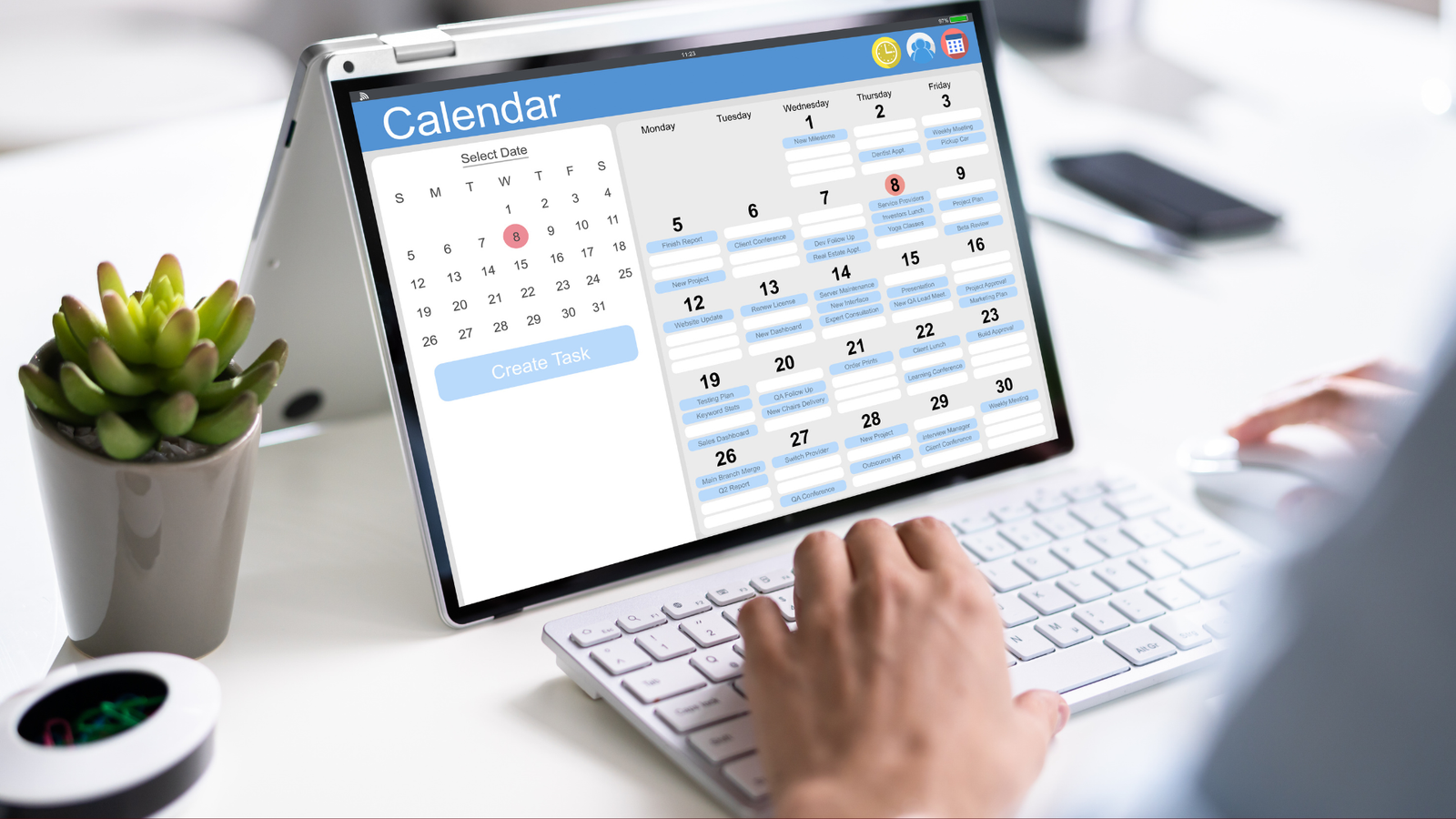
Step- 3 Produce everything in one protected block
Book the time well in advance, externally, with the kitchen and floor set up. The dishes, drinks, and rooms should be prepared according to the order in which you will be shooting the video. With the schedule in place, there’s no point where people are hanging around wondering what to shoot next.
Step 4– Schedule It So The Feed Runs When You’re Busiest-
Upload the final material to your scheduler and then release it gradually. The weeks where your feed would get killed by having too much work have become the weeks when your feed runs automatically without even needing to be handled.
There will be two differences. First, production will no longer clash with servicing because it gets a whole day on its own. Second, everything will already be connected to a product that you are selling because of the plan made beforehand. The reasons behind planning prior to filming are explained here.
How often should a restaurant post on social media?
There isn’t a magic number. The optimal posting frequency is the one that you will be able to maintain even during the most hectic period. An intensive one-year posting frequency that fails by the third week is not as valuable as a modest posting frequency that lasts an entire year.
As a rule of thumb, if you post 12 reels every week twice or thrice a week, you’ll need to create content for about four to six weeks of posting. You just need to plan the next batch of posts while completing the ongoing one, and you’ll have no breaks at all.
What is a Content Day, and who does it suit?
A Content Day is one production day that you plan at your venue. You will have 10 edited reels along with 2 bonus reels. This service is available at the cost of $1,750 plus GST.
This service is suitable for venues that can identify the three issues listed above, i.e., nobody owns the feed, no time outside of service hours, and the posts are not relevant to the needs of the venue. It is more effective in cases where you have already decided what needs to be promoted.
A Content Day is a good fit if:
- Your feed is dead or comes in fits and starts.
- No one on the team has the time or responsibility to generate content.
- You have a commercial objective ahead of you – menu launch, dead day, or room to fill.
- You’d rather have your arsenal complete than develop your own content strategy.
It may not be the right fit if:
- You already have an owner who has a protected time and content plan that is working.
- You are not yet sure what you will be promoting within the next month or so.
This is not the only solution to this problem. Having an owner who has protected time and plan serves the same purpose. Content Day is for those venues that do not want to develop such a structure on their own.
Content Day vs building it In-house
In-house | Content Day | |
Who owns production | A named staff member | Planned and produced in one day at your venue |
Time from your team | Regular protected hours every Week | One Production Day |
What you need first | A role, a time slot and a content plan | Knowing what you want to promote |
Output | Depends on the person and the hours | 10 edited reels plus 2 bonus reels |
Best For | Venues with someone who has the skills and the time | Venues that would rather not build the structure themselves |
Your Next Big Business Move Starts Here!
Frequently Asked Questions
Why do restaurants stop posting on social media?
Usually because of structure, not effort. Posting has no deadline, no named owner and no protected time, so it loses out to service, staffing and suppliers. Without a plan linking posts to what the venue sells, each post also starts from a blank screen, which makes it easy to Skip.
Is it bad if my restaurant’s Instagram hasn’t been updated in months?
It can cost you bookings you’ never see. In a 2024 Toast survey of 850 US diners, 62 percent said they sometimes check a restaurant’s social media before eating there. An old last-post date can look like the venue has closed, changed hands or stopped caring.
How do I keep my restaurant’s social media consistent?
Treat it as an operations task. Name one person who owns the feed, block protected production time away from service, and plan what each post should sell before filming. Then produce content in batches and schedule it, so busy weeks don’t stop the feed.
Who should run social media for a restaurant?
One named person, “not the team” It can be the owner, a manager or a staff member, but the job needs to be written down, with the time and authority to get dishes plated and spaces ready. Shared responsibility is how feeds go quiet.
How often should a restaurant post?
As often as you can sustain through your busiest period. For many venues, two or three posts a week is a workable rhythm. A batch of 12 reels at that pace covers roughly four to six weeks.
What is a Content Day?
As often as you can sustain through your busiest period. For many venues, two or three posts a week is a workable rhythm. A batch of 12 reels at that pace covers roughly four to six weeks.
How much does a Content Day cost?
A Content Day is $1,750 + GST for 10 edited reels plus 2 bonus reels.